
Mental well-being is just as important as physical health because it affects how people think, feel, and manage daily life. A healthy mind improves relationships, productivity, confidence, and overall happiness. However, stress, busy routines, and daily challenges can negatively affect emotional well-being. Fortunately, simple daily habits can improve mental health and create a calmer and more balanced lifestyle.
Maintain a Healthy Sleep Routine
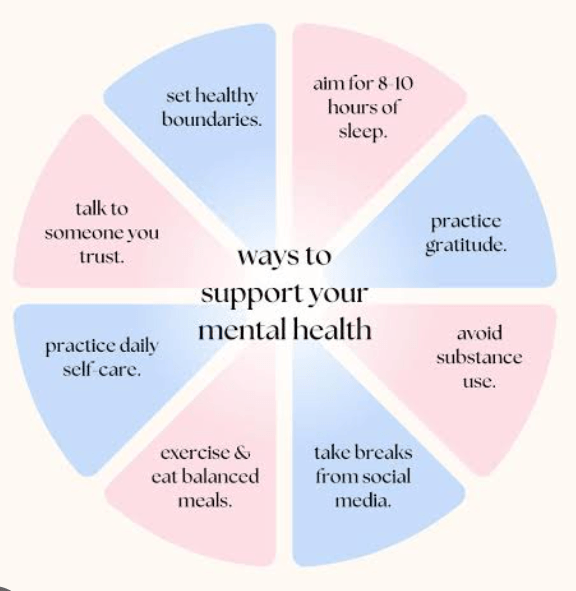
One of the easiest ways to improve mental health is by maintaining a proper sleep schedule. Good sleep allows the brain and body to recover and refresh. Lack of sleep can increase stress, anxiety, and irritability. Sleeping and waking up at the same time every day helps improve mood, focus, and mental clarity.
Exercise for Better Mental Health
Physical activity is a powerful way to support emotional well-being. Exercise releases endorphins, also known as “feel-good hormones,” which naturally reduce stress and improve mood. Activities such as walking, jogging, yoga, stretching, and cycling can help people feel more energetic and relaxed. Even a short daily walk outdoors can positively affect mental health.
Eat Nutritious Foods Daily
A healthy diet plays an important role in emotional and mental wellness. Nutritious foods provide energy to both the body and brain. Eating fruits, vegetables, nuts, fish, and whole grains supports brain function and improves mood. Drinking enough water throughout the day also helps maintain focus and energy levels.
Reduce Screen Time and Social Media Use
Taking breaks from screens and social media can reduce mental stress and emotional exhaustion. Constant exposure to online content and digital pressure may increase anxiety and fatigue. Spending time away from phones and computers allows the mind to relax. Activities like reading, gardening, or spending time in nature can refresh the mind.
Practice Gratitude Daily
Practicing gratitude is another simple habit that improves mental health. Focusing on positive aspects of life can reduce negative thoughts and increase happiness. Writing down a few things to be thankful for each day can help develop a more positive mindset.
Stay Connected with Family and Friends
Talking with supportive family members or friends is important for emotional well-being. Sharing feelings and concerns helps reduce emotional burden and creates a sense of comfort and security. Healthy social connections play a major role in maintaining mental peace.
Relaxation Techniques for Stress Relief
Relaxation methods such as meditation, mindfulness, and deep breathing exercises help calm the mind and reduce anxiety. These practices improve concentration, emotional balance, and inner peace. Spending just a few minutes daily on mindfulness activities can create noticeable improvements in mental wellness.
Set Realistic Goals and Manage Stress
Setting achievable goals and avoiding excessive pressure is important for mental health. Trying to do too many things at once can lead to stress and disappointment. Breaking larger tasks into smaller steps makes responsibilities easier to handle and reduces anxiety.
Helping Others Improves Emotional Health
Acts of kindness and helping others can also improve emotional well-being. Supporting someone, sharing encouraging words, or volunteering can create positive emotions and strengthen relationships. Helping others often brings a sense of purpose and happiness.
Conclusion
Improving mental health does not always require major lifestyle changes. Simple daily habits such as regular exercise, healthy eating, proper sleep, gratitude, mindfulness, and staying connected with loved ones can lead to a calmer and healthier life. Prioritizing mental wellness is essential because a healthy mind contributes to a happier, more balanced, and fulfilling life.


 By
By